
Why this matters
Carbide (calcium carbide) is still widely used in parts of Bangladesh to force-ripen mangoes for the market. It is harmful to health and ruins the natural taste of the fruit. The encouraging news is that naturally ripened mangoes give themselves away — once you know what to look for.
1. Look at the colour pattern
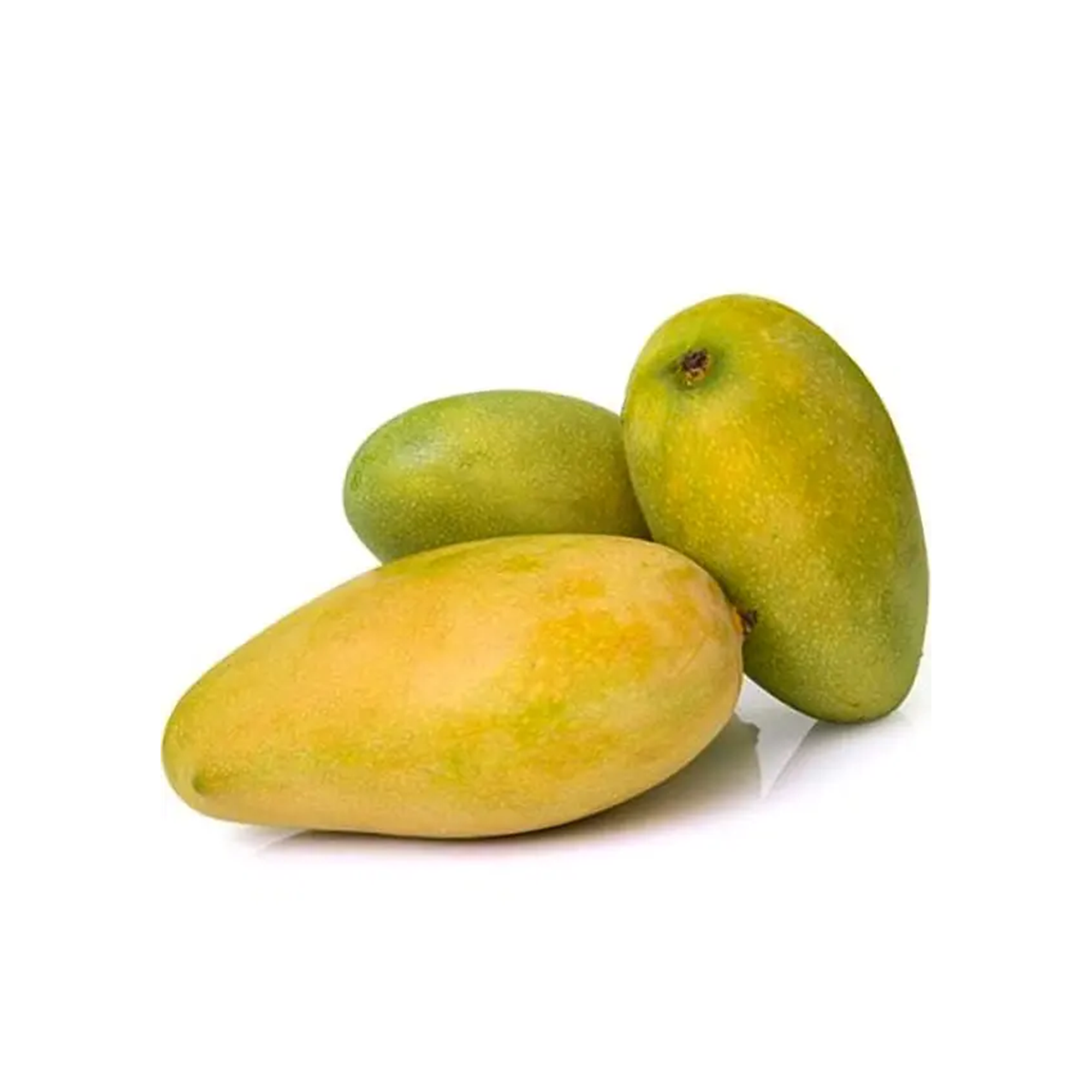
Naturally ripened mangoes ripen unevenly — usually with a mix of yellow, green and orange patches. A mango that is uniformly bright yellow all over and appears "too perfect" is often a red flag.
2. Trust the smell
A naturally ripened mango has a sweet, distinct aroma at the stem. A carbide-ripened mango often smells chemical or sour, or has almost no aroma at all.
3. Check the skin texture
Natural ripening softens the fruit gradually — the skin stays slightly textured. Force-ripened fruit may have a wrinkled, papery skin while the inside is still hard.
4. Feel the firmness
A naturally ripe mango gives slightly under gentle pressure. Carbide-ripened fruit can feel oddly firm on the outside but mushy when cut.
5. Source matters most
The most reliable way to avoid chemicals is to buy from a source that explains how the fruit was ripened. Shoritu mangoes are picked at maturity and allowed to ripen naturally — no carbide, no ethylene gas, no shortcuts.
The five signs above help in the market. The best long-term answer is to know where your fruit comes from.